
The Gritty Reality of Industrial Espionage in Arc Raiders
So, you’ve decided to drop into the world of Arc Raiders. Honestly, it is a vibe, but a stressful one. Between the massive machines trying to turn you into a pancake and other raiders looking to swipe your loot, there is a lot to handle. But if you want to actually make progress with the traders and build up your base, you have to get your hands dirty with some industrial espionage. We aren’t just talking about grabbing scrap metal here; we are talking about high-stakes data theft and tracking down lost intel in some of the sketchiest corners of the map.
The term industrial espionage sounds fancy, like something out of a Bond movie, but in the ruins of our world, it’s mostly about running through rusted corridors while hoping an ARC drone doesn’t spot your backside. The game doesn’t always hold your hand, which is why everyone is constantly asking about specific missions like Eyes in the Sky or how to manage the Digging up Dirt quest without dying ten times in a row. It is all about knowing the layout and moving fast.
I’ve spent way too many hours lately wandering through the Buried City and the surrounding industrial zones. Some of these tasks are straightforward, but others? They require a bit of finesse and, frankly, a lot of luck with the spawns. But hey, that is why we do it. The rush of extracting with a pocket full of encrypted drives is what keeps us coming back. Let’s break down how to actually get these missions done so you can stop staring at your quest log in frustration.
Eyes in the Sky: Watching the Watchers
The Eyes in the Sky mission is one of those early-to-mid-game hurdles that really tests your ability to navigate vertically. In Arc Raiders, height is usually your friend, until it makes you a target for every sniper and flying bot in a three-mile radius. For this specific task, you are usually looking for sensor arrays or observation data that the ARC machines have been collecting on the remaining human settlements.
Most players mess this up by being too loud. You think you can just blast your way to the top of a comms tower, but the noise just brings more heat. The trick is to treat it like a stealth mission. Use the environment. If you see those yellow ladders or rusted pipes, use them. The data you need is often tucked away in small terminals that don’t look like much until you get close enough for the prompt to pop up.
When you are looking for these “eyes,” keep a look out for:
- Small satellite dishes that are still humming with power.
- Wall-mounted cameras that actually track your movement.
- Data pads left behind by previous scouts who weren’t as lucky as you.
Once you grab what you need, don’t linger. The game has a nasty habit of spawning a patrol right on your extraction path once you’ve completed an objective. It’s like the AI knows you’re happy and wants to ruin it. Just keep your head down and move toward the nearest exit point. And remember, no piece of intel is worth losing your entire kit over. If things get too hot, just bail and try again next run.
Strategic Resource Allocation
Before we get deeper into the specific dirt-digging, you need to make sure your loadout isn’t garbage. You can’t do industrial espionage with a peashooter and zero stamina. You need to balance your weight so you can actually sprint when the sirens start blaring. Here is a quick look at what I usually bring when I’m focused on intel runs rather than just raw scrap farming.
| Item Type | Recommended Choice | Why it works |
|---|---|---|
| Primary Weapon | Short-range SMG or Carbine | Great for clearing tight hallways in bunkers. |
| Gadget | Decoy or Smoke Grenade | Perfect for losing a tail when you’re carrying intel. |
| Support | Stimpack / Medkit | You’re gonna get shot. Might as well heal. |
| Backpack | Medium Capacity | High mobility without sacrificing too much space. |
This setup isn’t about winning a war; it’s about being a ghost. If you are fighting a boss-level ARC machine, you’ve already failed the “espionage” part of the mission. Stay light, stay fast, and keep your eyes on the prize. Honestly, the number of times I’ve escaped with 5 HP because I chose a lighter vest over heavy armor is more than I can count. Speed is life in the ruins.
Digging up Dirt: Finding the Hidden Truths
Now, let’s talk about Digging up Dirt. This mission usually involves heading into the more “civilized” ruins-places that used to be corporate offices or research labs. You’re looking for physical evidence of what went wrong before the machines took over, or perhaps more accurately, what the corporations were doing to make things worse. It’s a bit of a scavenger hunt, but with more robots.
The “dirt” isn’t literally soil, though sometimes it feels like it with how much debris you have to sift through. You’re looking for old hard drives, encrypted folders, and sometimes physical ledgers. These items are rarely out in the open. You’ll need to check under desks, inside knocked-over filing cabinets, and behind secret panels. It’s tedious, yeah, but the lore payoff-and the rewards from the traders-are usually worth the headache.
The main challenge here is the “dwellers” or other raiders who know exactly where these quest items spawn. Since everyone has the same mission, these locations become hotspots for PVP. If you see a doorway that looks a bit too clear of rubble, someone might be waiting inside with a shotgun. Always throw a flare or a grenade into a room before you start looting a quest terminal. It sounds paranoid, but in this game, paranoia is just being well-prepared.
Without a Trace: The Art of the Clean Exit
The Without a Trace objective is probably the most frustrating for players who like to go in guns blazing. This is the ultimate test of your stealth and map knowledge. Usually, this requires you to enter a restricted zone, perform a task, and leave without being detected or within a very tight timeframe. It’s about being a shadow. If the alarm goes off, you’ve basically blown it.
I’ve found that the best way to handle these “no trace” runs is to map out your route beforehand. Don’t just wing it. Spend a few minutes on a previous run just looking at the patrol patterns of the ARC bots. They follow very specific loops. Once you find the gap in their timing, that’s your window. It’s almost like a rhythm game, but with much higher stakes and more rust.
Here are some tips for staying undetected:
- Crouch-walking is your best friend. It significantly reduces your sound footprint.
- Avoid puddles and glass. The sound of a splash or a crunch is like a dinner bell for bots.
- Use environmental distractions. Sometimes shooting a barrel far away can pull a patrol away from your objective.
And for the love of everything, don’t use your flashlight unless you absolutely have to. In the dark bunkers of Arc Raiders, a flashlight is basically a “shoot here” sign for every enemy on the floor. Get used to the grainy night vision or just navigate by the faint glow of the machinery. It’s spooky, sure, but it’s a lot safer than being a glowing beacon of “please kill me.”
Intel Comparison for Quest Efficiency
If you’re trying to knock out multiple missions at once, you need to know which ones overlap. There is no point in going to the same bunker three times if you can do it all in one go. Efficiency is the difference between a pro raider and someone who loses all their gear before lunch. Let’s look at how these intel-based missions stack up against each other in terms of risk and reward.
| Mission Name | Risk Level | Primary Reward | Time Investment |
|---|---|---|---|
| Eyes in the Sky | Medium | Trader Reputation | Fast (10-15 mins) |
| Digging up Dirt | High (PVP Hazard) | Rare Blueprints | Long (20+ mins) |
| Without a Trace | Very High | Unique Cosmetics/Gear | Variable |
| Standard Scrapping | Low | Basic Currency | As long as you want |
As you can see, the “espionage” side of the game is where the real progression happens. You can spend all day picking up rusty bolts, but if you want the cool stuff, you have to take the risks associated with the high-level intel missions. Just make sure you aren’t biting off more than you can chew. If you’re a solo player, Without a Trace is actually easier than Digging up Dirt because you can stay quiet. Digging up Dirt almost always turns into a shootout.
The Cultural Impact of the ARC Invasion
It’s weird to think about, but the world of Arc Raiders is filled with these little echoes of the past. When you are doing these industrial espionage missions, you aren’t just clicking on a progress bar. You are seeing the remains of a society that was obsessed with the same things we are: technology, control, and staying ahead of the competition. The irony isn’t lost on me that we are now using that same corporate greed to survive against the machines they probably helped create.
You’ll see it in the posters on the walls or the memos you find in the “dirt” missions. There’s a lot of flavor text that people usually skip, but if you actually read it, the world-building is top-notch. It makes the “industrial” part of the espionage feel a lot more real. You aren’t just stealing data; you are uncovering the autopsy of a civilization. It adds a layer of weight to every run that you don’t get in a lot of other extraction shooters.
Plus, the community around the game is starting to develop its own slang and “honor codes” (which are usually broken, but they exist). You’ll hear people talking about “sky-eyes” or “dirt-divers.” Being part of that culture is half the fun. Just don’t expect a “friendly” shout in the chat to actually mean someone won’t shoot you in the back for your encrypted drive. It’s a tough world, after all.
Advanced Stealth Techniques for the Modern Raider
If you really want to excel at the industrial espionage side of things, you need to master the movement system. Arc Raiders has a bit of a “floaty” feel to the jumping, which you can actually use to your advantage. You can parkour over things that the AI pathing doesn’t expect. This is huge for the Without a Trace mission.
One trick I love is the “ledge-hang.” If you can jump and grab a ledge but stay hanging, many of the ground-based ARC bots will lose track of you. You can just chill there for a second, let the patrol pass, and then pull yourself up. It’s a small thing, but it’s saved my skin more times than I care to admit. Also, keep an eye on your stamina. There is nothing worse than being halfway through a stealth run and realizing you can’t jump because you’ve been sprinting too much.
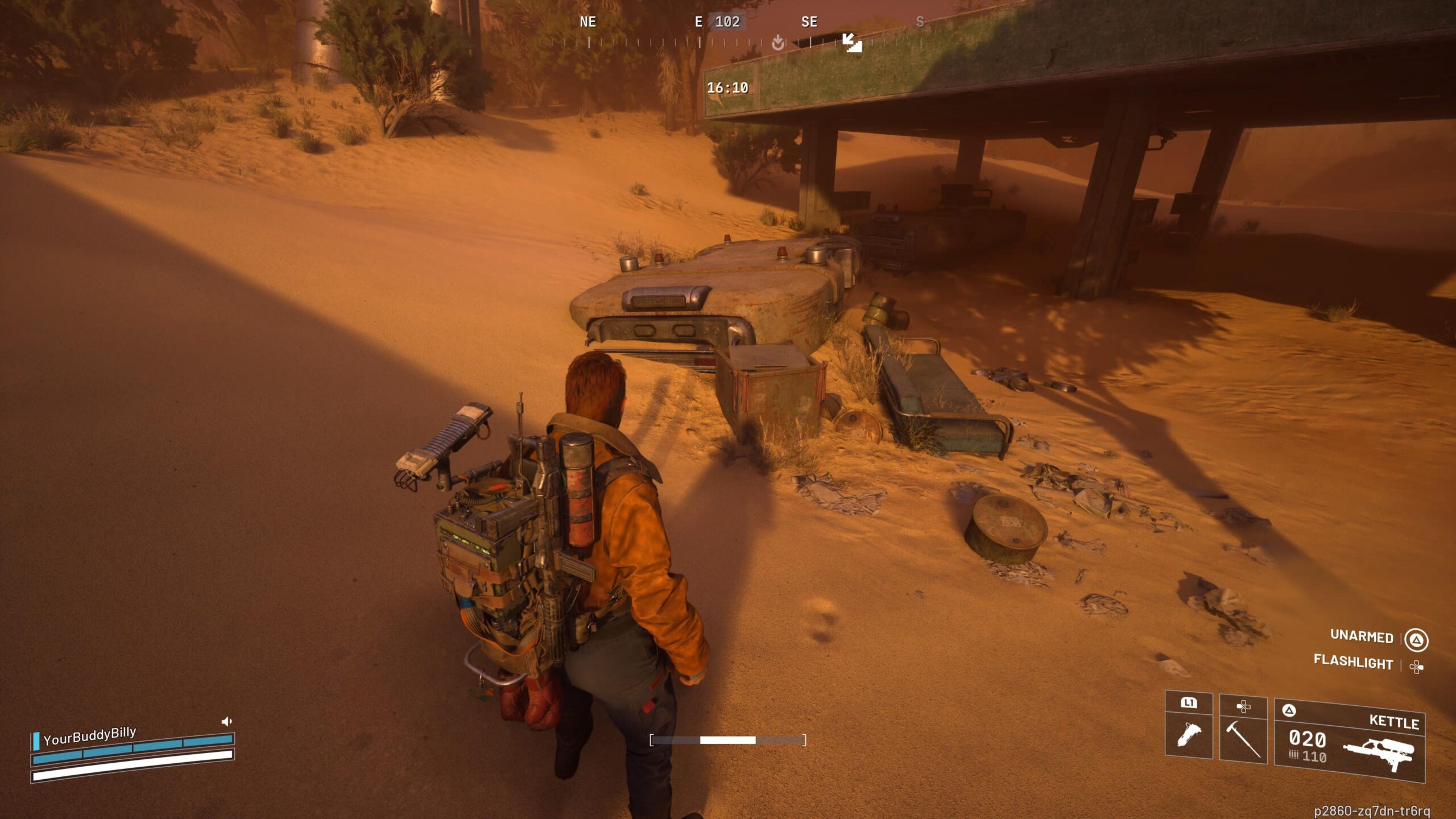
Another thing: use the weather. When those dust storms roll in, your visibility drops, but so does the machines’. That is the perfect time to go for the Eyes in the Sky objectives. The sensors have a harder time locking onto you in the chaos. It’s loud, it’s messy, but it’s the best cover you’re ever going to get. Just make sure you have a compass or a good sense of direction, because it’s easy to get lost and walk right into a wall… or a cliff.
- Watch the patrol patterns for at least two cycles.
- Use verticality to bypass blocked corridors.
- Always have an “Oh Crap” extraction plan.
Essentially, treat the map like a puzzle rather than a shooting gallery. The most successful industrial spies in the game aren’t the ones with the highest kill counts; they’re the ones who come home with the data and all their limbs still attached. It’s a different way to play, but honestly? It’s way more satisfying than just mindless grinding.
FAQ
How do I find the encrypted drives for Digging up Dirt?
You gotta look in the office areas of the Buried City. They usually glow slightly, but they are often tucked behind crates or under desks. Check every corner and don’t rush through the rooms.
Can I do Without a Trace in a squad?
Technically yes, but it is way harder. One person messses up a jump or shoots a gun, and the whole “without a trace” vibe is gone. If you do it with friends, make sure everyone is on the same page about stealth.
What happens if I die with mission intel?
Bad news: you lose it. Most mission items stay in your inventory until you extract. If you get clamped by a machine or sniped by a raider, you’ll have to go back and find the item again in the next match.
Are the Eyes in the Sky towers always the same?
The locations are fixed, but the specific terminal you need to interact with can sometimes swap between a couple of different spots on the tower. It keeps you on your toes so you don’t just muscle-memory it.
Do I need special tools for industrial espionage?
Not “tools” in the traditional sense, but having a hacking tool or an EMP grenade can make your life a lot easier when dealing with locked doors or pesky drones that won’t move.
Is PVP common during these missions?
Oh, for sure. Since these missions are big milestones, other players will camp near the objectives. Always assume you aren’t alone and check your corners like your life depends on it, because it does.
What is the best time of day to do stealth runs?
In-game night is great for staying hidden, but it’s also when the scarier machines come out. Early morning or during a storm is usually the sweet spot for a balance of visibility and safety.
Bringing it all together
At the end of the day, industrial espionage in Arc Raiders is about patience. It is tempting to just run in, grab the dirt, and run out, but that’s how you end up as a pile of scrap. Take your time, learn the maps, and understand that sometimes you just have to walk away and try again later. The world isn’t going anywhere, and those machines aren’t getting any friendlier. But with the right intel and a bit of a sneaky streak, you’ll be the top raider in no time. See you in the ruins-hopefully from a distance where I don’t have to shoot you.
Honestly, the game is still evolving, and new strategies for these missions pop up every week. The best thing you can do is stay flexible. What works today might get patched or changed tomorrow, especially as the ARC machines get “smarter” (or the devs just make them more annoying). Keep your gear sharp, your footsteps quiet, and your eyes on the horizon. There’s a lot more to uncover out there, and someone’s gotta do the dirty work. Might as well be you, right?





Leave a Reply