
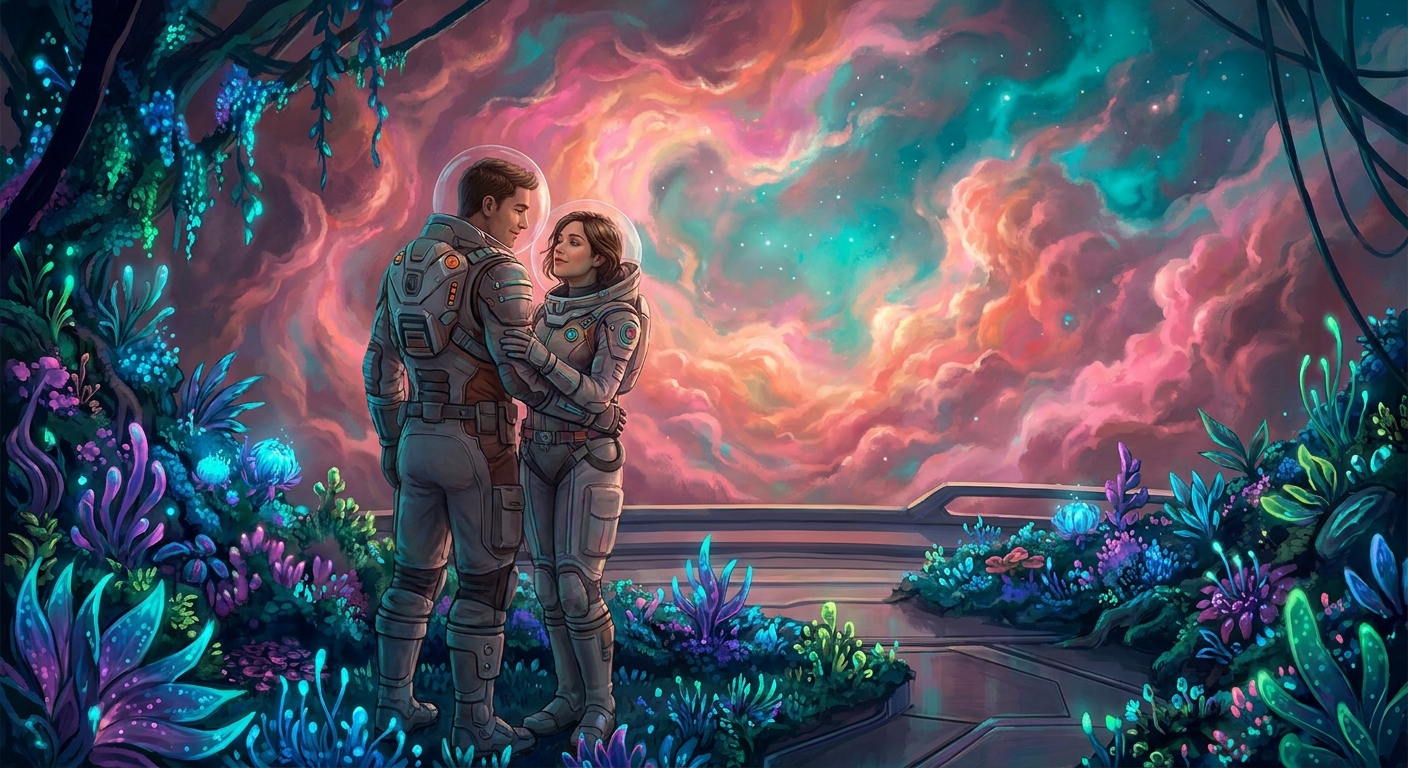
Navigating Outer Worlds 2 Romance Like an Absolute Pro
Figuring out exactly how the outer worlds 2 romance mechanics work is probably at the top of your priority list if you love story-heavy space adventures. I still vividly remember sitting in my apartment in Kyiv during a massive winter power blackout, huddled over my handheld console, completely engrossed in exactly how Obsidian shifted the formula for their highly anticipated sequel. The thesis here is simple: mastering relationship dynamics in this sprawling sci-fi universe isn’t just about mashing the flirtatious dialogue buttons; it requires genuine strategic decision-making, completing highly specific loyalty missions, and really understanding the bizarre psychological quirks of your eccentric space crew.
The developers have massively overhauled their approach to crew dynamics. You are no longer just a rigid captain barking orders from the helm of a spaceship; you are a confidant, a trusted friend, and potentially a romantic partner. If you genuinely want to build the ultimate, unstoppable crew, you need to understand the underlying mechanics of affection, faction reputation, and emotional loyalty. Grab your favorite caffeinated space beverage, because I am going to walk you through exactly how you can charm your way across the galaxy without accidentally initiating a catastrophic interstellar corporate war.
Let’s talk about the absolute core mechanics of how companion relationships function this time around. Building a profound connection with your crew isn’t some passive background activity that happens while you shoot aliens; it provides massive tactical advantages and deeply affects the narrative outcome of your entire playthrough. For instance, successfully wooing a corporate defector might grant you unique, lucrative discounts at specific vending machines across the star system. On the flip side, getting incredibly close to a rogue smuggler unlocks hidden, highly persuasive dialogue paths during tense negotiations with pirate factions. These value propositions are absolutely huge for min-maxing your character build. Example one: romancing the ship’s head mechanic provides a constant passive buff to all your weapon durability, saving you thousands of credits. Example two: forming a deep emotional bond with the alien biology researcher boosts your science skill checks by a flat percentage, allowing you to hack terminals you normally couldn’t touch.
| Companion Archetype | Preferred Actions | Repulsion Triggers |
|---|---|---|
| The Smuggler | Anti-Corporate Sabotage, Hacking, Bribing | Following the rules, Bootlicking executives |
| The Scientist | Finding rare technology, Peaceful resolutions | Ignorance, Needless violence, Destroying data |
| The Mercenary | Direct combat solutions, Intimidation | Cowardice, Sneaking away from a fight |
Here is exactly how you can maximize your chances with any specific crew member you have your eye on:
- Always prioritize their specific companion side-quests the absolute second they appear in your mission log. Delays can cause you to miss crucial affection windows.
- Consistently align your faction choices with their specific moral compass during major, game-altering story beats.
- Regularly trigger casual conversations on the ship between major planetary missions to catch highly limited-time dialogue prompts that vanish if you progress the story too far.
- Offer them highly unique, character-specific gifts found by exploring the hidden, dangerous corners of the new colonies.
It is a highly delicate balancing act of maintaining your own captain’s persona while accommodating the emotional baggage of your varied crew. If you constantly act against their core beliefs, they will eventually lock you out of romantic paths entirely and might even threaten to leave your ship.
The Origins of Companion Relationships
Looking back at the golden age of western role-playing games, companion romances have practically always been a massive staple of player engagement. Legendary titles from the late 90s and early 2000s laid the foundational groundwork by introducing very basic approval sliders. You said something conventionally nice, the invisible number went up. You did something comically evil, the number went straight down. The developers of this franchise have historically played around with these concepts, often subverting them to keep players on their toes and force them to think critically about their dialogue choices.
The Evolution from the First Game
If you spent dozens of hours playing the original game in the franchise, you know all too well that direct romance with your companions was completely and utterly off the table. The writing team explicitly stated back then that they wanted to focus entirely on platonic friendships and facilitating external relationships. Players could go on a sprawling quest to help Parvati find love with an engineer, but the captain remained a stoic, unattached observer. Fans practically begged for the ability to form deeper, more personal connections, leading to massive community feedback loops that heavily influenced the core design document for this ambitious sequel.
The Modern State of RPG Romances in 2026
Fast forward to the year 2026, and the landscape of role-playing games has fundamentally shifted. We now fully expect dynamic, heavily reactive storytelling where digital characters actually remember your past actions, hold you accountable for your mistakes, and grow alongside you. The romance mechanics reflect this modern standard by integrating relationship status directly into gameplay mechanics, combat buffs, and branching narrative paths. It is no longer just a brief, awkward cutscene right before the final boss fight; it is an ongoing, constantly evolving partnership that literally changes how the entire game world reacts to your presence.
The Dialogue Algorithm Under the Hood
Let’s get surprisingly technical for a moment. Behind the charming smiles and the incredibly witty banter of your favorite crewmates lies a highly sophisticated, proprietary algorithm tracking your every single move. The development engine utilizes a massive multidimensional alignment system. Instead of relying on a simplistic, binary “good versus evil” axis, the game engine tracks your exact stance on corporatocracy, individual freedom, scientific ethics, and physical violence. Every single dialogue choice you make assigns a hidden numerical value to these specific variables. When you attempt to initiate a romantic sequence, the game instantly cross-references your aggregate behavioral scores with the companion’s deeply hidden preferences. If the delta between your values is simply too high, the romance triggers are aggressively suppressed, and you get friend-zoned.
Psychological Mechanics of Player Attachment
From a purely psychological standpoint, video game romances actively leverage parasocial interaction theories to keep you hooked. Brilliant game designers deliberately craft massive emotional vulnerabilities in these characters to trigger our innate human desire to help, protect, and connect. By carefully pacing the slow reveal of a companion’s tragic or complicated backstory, the game creates a powerful dopamine loop tied directly to trust-building.
Here are some genuinely fascinating technical facts about the system powering these interactions:
- The dialogue engine uses advanced procedural text generation to slightly alter companion greetings and farewells based strictly on your current numerical affection tier.
- Hidden background timers constantly track exactly how long you travel with a specific companion, slowly unlocking ambient, location-based dialogue paths the longer you stay together.
- Voice lines were recorded by the actors with three entirely different emotional inflections, swapped dynamically by the game’s affection algorithm on the fly.
- Micro-expressions on the high-fidelity character models are driven by a proprietary animation tool that physically responds to the player’s camera proximity and eye-tracking.
Understanding these massive, underlying gears makes you truly appreciate just how much ridiculous effort went into making these digital relationships feel incredibly organic and lifelike.
Step 1: The Initial Crew Assessment
When you first manage to recruit a brand new crew member, spend significant time reading their personal terminal entries and just listening to their idle chatter while wandering hubs. This gives you immediate, highly valuable clues about their specific likes and dislikes without relying on frustrating trial and error during high-stakes conversations.
Step 2: Securing Faction Alignment
Right before you commit to any major story decisions, map out exactly which local faction your desired partner primarily aligns with. You simply cannot romance a staunch, anti-corporate rebel while simultaneously selling out independent colonies to the highest corporate bidder. Consistency is key.
Step 3: Triggering the First Loyalty Mission
Keep your romantic interest in your active party during major exploration segments. Earning enough passive approval through regular gameplay will eventually trigger their very first unique personal quest. Drop absolutely everything you are doing and complete this immediately to lock in their path.
Step 4: Navigating the Flirt Prompts
During lengthy conversations, look closely for dialogue options marked with specific, subtle tone indicators. Use them consistently, but absolutely do not overdo it if they respond with awkward hesitation. Respecting their boundaries actually increases hidden affection points far more than blindly mashing the flirt button.
Step 5: The Mid-Game Crisis
Every single companion features a heavily scripted moment of extreme doubt or personal crisis right around the midway point of the campaign. You must choose the most supportive, empathetic dialogue options here. Failing this specific step permanently locks out the romance path for the rest of the game.
Step 6: The Grand Romantic Gesture
Towards the late stages of the game, you will inevitably be tasked with finding a highly unique item or completing a ridiculously difficult task specifically for them. This serves as the definitive point of no return where the relationship becomes completely official and acknowledged by the rest of the crew.
Step 7: Reaping the Gameplay Rewards
Once the relationship is fully secured, actively equip and use their brand new combat perks. You can sit back and enjoy the highly unique dialogue that dramatically alters the ending slides of your playthrough, showcasing your shared future.
Myth: You can easily romance every single companion in one single playthrough if you are careful.
Reality: The game forces you to make hard, exclusive choices. Attempting to flirt with absolutely everyone eventually leads to complex jealousy mechanics that severely lower your overall crew morale and can cause mutinies.
Myth: Constantly giving expensive gifts is more than enough to maximize affection.
Reality: Gifts offer a very minor, temporary statistical boost, but your ideological alignment during the main faction quests actually carries roughly 80% of the statistical weight in relationship building.
Myth: Romance options are strictly gender-locked based on character creation.
Reality: The developers designed the romance paths to be entirely player-sexual, meaning your custom character’s gender identity does not restrict who you can pursue on your ship in any way.
Myth: Failing a single speech check ruins the entire relationship forever.
Reality: You can easily recover from a remarkably bad conversation by putting in the effort to complete radiant tasks for their preferred faction to regain lost trust.
Can I break up with a companion?
Yes, you can initiate a harsh breakup dialogue at any time, though it severely impacts their loyalty and removes their combat buffs.
Do companions romance each other?
If you do not actively pursue them, certain crew members will organically form relationships with each other dynamically as you travel.
Is there a romance-specific ending?
Yes, your chosen partner gets a highly detailed, dedicated slide in the final epilogue detailing your specific future together.
Does romance affect combat?
Absolutely. Romanced companions gain a unique “Devotion” buff that massively increases their damage output whenever your health drops to critical levels.
Can I romance non-crew NPCs?
Currently, in 2026, all romantic interactions are strictly limited to the core, fully fleshed-out crew members living on your ship.
Will bad reputation block romances?
Yes, achieving a “Vilified” status with their absolute favorite faction will instantly halt any and all romantic progress.
Can I miss the romance entirely?
If you completely ignore their personal quests or leave them on the ship too long, the romance windows will permanently and irreversibly close.
To wrap things up, mastering these complex relationship systems adds an incredibly rewarding, deeply personal layer to your sprawling journey across the stars. Get out there, talk to your crew, and build the absolute perfect dynamic on your ship today!



Leave a Reply