
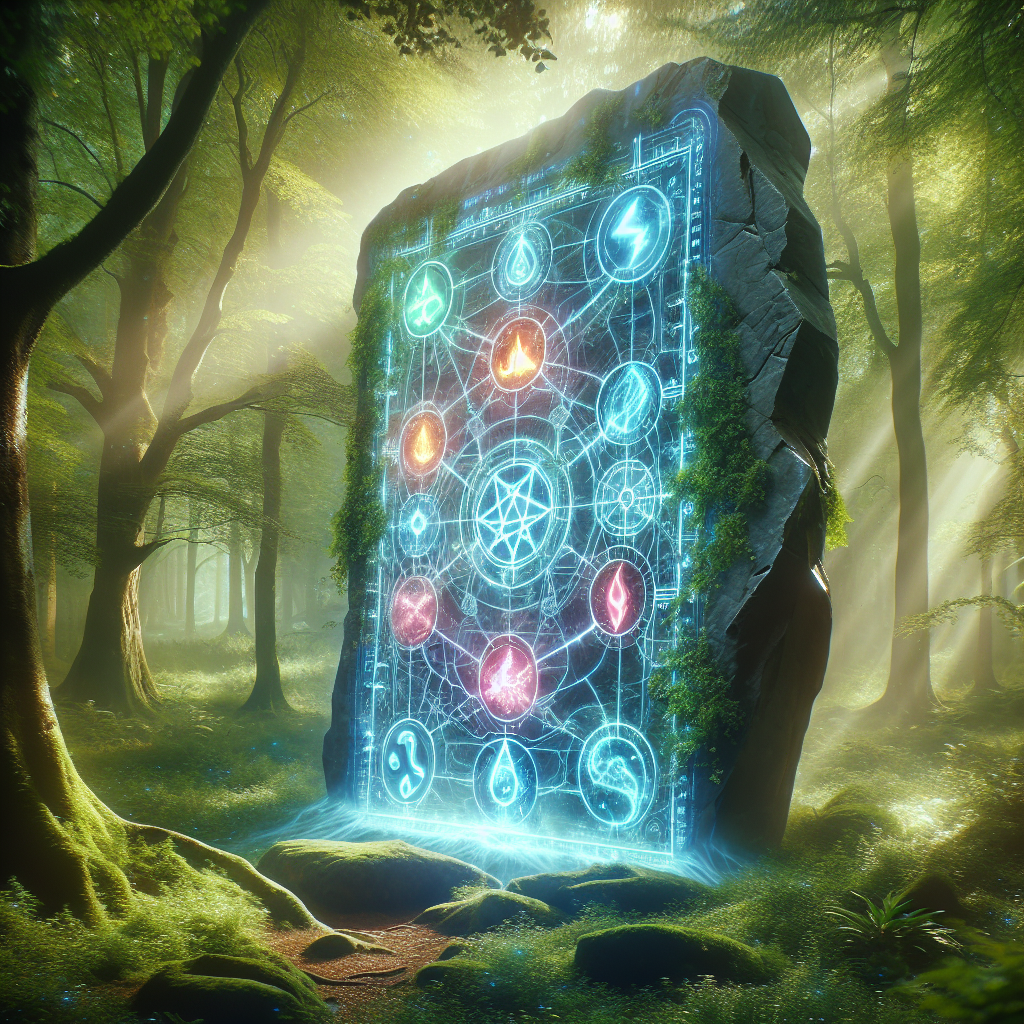
Mastering the Palworld Type Chart: A Tactical Approach
Ever wondered why your high-level team gets absolutely wrecked by a mid-tier boss, and whether memorizing the palworld type chart could have prevented that entirely embarrassing defeat? I remember sitting in my Kyiv apartment during the rolling blackouts last winter, trying desperately to optimize my gaming handheld’s battery life. Every single minute of gameplay mattered, and I simply couldn’t afford to waste precious battery life throwing the wrong creatures at a stubborn boss. Raw power and endless grinding mean absolutely nothing if you completely ignore the elemental matchups. The palworld type chart is the undeniable, absolute backbone of the entire combat system, dictating who wins, who loses, and who barely survives a harsh encounter.
When you take the time to actually memorize how Fire instantly melts Ice, or how Water completely short-circuits Electric, the entire gameplay loop shifts. It moves from being a chaotic, desperate button-masher to a highly calculated, clean, strategic chess match. You don’t need to farm materials endlessly if you just apply the correct tactical counters from the start. That specific mindset saved my in-game resources, my sanity, and my real-life battery. Understanding these elemental matchups will drastically reduce your potion usage, keep your favorite companions from constantly fainting, and guarantee your capture spheres actually connect when you try to catch something exceedingly rare. Think of this guide as your personal cheat sheet to completely skipping the tedious grind and stepping right into absolute dominance on the island.
The Core Mechanics of Elemental Warfare
The core concept behind these elemental weaknesses is pure, brutal multiplication. When you strike an enemy with an element they are mathematically weak to, you aren’t just doing a little bit of bonus damage; you are maximizing your output while completely minimizing your risk. It is the absolute most efficient way to play the game.
Let’s look at a definitive breakdown of the most critical elemental interactions you need to memorize.
| Attacking Element | Strong Against (x1.5 Damage) | Weak Against (x0.5 Damage) |
|---|---|---|
| Fire | Grass, Ice | Water |
| Water | Fire | Electric |
| Electric | Water | Ground |
| Ground | Electric | Grass |
| Grass | Ground | Fire |
To truly grasp the massive value of the palworld type chart, look at two very specific gameplay scenarios. First, imagine fighting a massive, high-level Mammorest roaming the starting zones. It is a pure Grass beast. If you bring an Electric companion, you are going to suffer immensely. Your attacks will essentially just tickle it. But if you swap to a dedicated Fire attacker, suddenly your damage output spikes by an enormous 50%. You melt its massive health bar in seconds rather than minutes. Second, consider your base raids. If a large pack of Water enemies attacks your newly built wooden settlement, sending out your best Fire workers to defend the perimeter is a catastrophic mistake. They will get completely washed away, leaving your base vulnerable to total destruction.
Here are three non-negotiable reasons you need to start utilizing these interactions right now:
- Maximum Resource Efficiency: You spend significantly fewer expensive spheres and crafting materials when your damage output is mathematically optimized.
- Total Boss Domination: Tower bosses have incredibly massive health pools that strictly demand the 1.5x damage multiplier to defeat them before the strict timer runs out.
- Base Defense Survival: Knowing exactly what to deploy when a sudden raid triggers entirely prevents your precious infrastructure from burning down to ashes.
You absolutely do not want to learn these painful lessons the hard way after investing dozens of hours into base building. Smart strategy beats sheer stubbornness every single time you play.
Origins of Elemental Combat
The concept of an elemental rock-paper-scissors system did not just magically appear recently. Decades ago, early tabletop role-playing games introduced the fundamental idea that fire burns wood, and water inevitably extinguishes fire. It was a brilliantly simple way to force players to actually think rather than just declaring attacks blindly. This foundational concept created a necessary layer of strategy that completely shifted how game developers built combat systems moving forward. You had to heavily plan your party composition before ever leaving the safety of a town.
Evolution in Monster Catchers
As video games evolved rapidly, classic monster-catching franchises took this tabletop concept and expanded it to a massive degree. What started as just four basic elements grew into highly complex webs of interactions. We saw the brilliant introduction of dual-typing, where a single creature could be both a flying type and a water type simultaneously, which completely changed its entire defensive profile. Game developers quickly realized that players genuinely loved the puzzle aspect of strategic team building. They actively wanted to reward players who took the time to do their tactical homework before a big fight.
Modern State in 2026
Today, the tactical landscape of gaming has matured significantly. The mechanics we use seamlessly blend real-time survival action with very deep elemental math. By 2026, you are no longer just slowly picking a move from a static, turn-based menu; you are physically swapping out companions on the fly while actively dodge-rolling away from massive laser beams. The current iteration of the palworld type chart perfectly reflects a highly polished version of this decades-long evolution. It keeps the fundamental rules highly intuitive—Fire still naturally burns Grass—but aggressively applies them to a frantic, beautiful 3D combat environment where spatial positioning and elemental advantage carry equal weight.
Damage Multipliers Explained
Let’s look closely at the hard mathematical calculations running constantly under the hood of the game. When a specific attack connects with an enemy, the game engine calculates several hidden variables instantly. The absolute most critical variable is the elemental modifier. Hitting an enemy’s weakness directly grants a 1.5x damage multiplier. That is a massive 50% increase in your raw damage output. Conversely, hitting a resistance drops your damage output to 0.5x, effectively cutting your attack power right in half. If you use an attack that perfectly matches your companion’s own inherent type, you also get a Same Type Attack Bonus (STAB), which quietly adds another 1.2x multiplier to the formula.
Dual-Type Complexity
Things get mathematically incredibly complex when you start dealing with dual-type creatures. The game engine rigorously calculates weaknesses for both elemental types simultaneously. If an enemy is both Grass and Dragon, and you hit it with an Ice attack, you must check both types. Ice is famously super-effective against Dragon types. If the secondary Grass type doesn’t naturally resist Ice, that massive damage multiplier fully stands. This forces you to deeply understand overlapping resistances to truly min-max your damage.
Here are the strict, unbending mechanical facts you need to memorize right now:
- A 1.5x multiplier is universally applied when hitting a direct elemental weakness.
- A punishing 0.5x multiplier triggers when hitting a resistant element, drastically reducing your DPS.
- Same Type Attack Bonus (STAB) automatically applies a 1.2x modifier when a companion uses a move matching its own core element.
- Modifiers always stack multiplicatively, meaning a powerful STAB move hitting a weakness deals an incredible 180% normal damage.
- Status effects like severe burning or deep freezing apply totally independently of the initial damage calculation.
Understanding these exact calculations completely guarantees you will never waste a high-cooldown ultimate ability on a massive creature that will just shrug it off.
The 7-Day Elemental Mastery Plan
Creating a flawless, mathematically perfect team requires a highly systematic approach. You cannot just catch everything randomly in one chaotic afternoon. Follow this strict, proven 7-Day Plan to build a roster that perfectly utilizes the palworld type chart.
Day 1: Neutral and Dark Basics
Start your early journey by capturing a bunch of basic Neutral types for necessary base labor, but immediately pivot to hunting for Dark types the second night falls. Dark is highly strong against Neutral. This gives you an absolutely immediate, crucial advantage over the most common early-game enemies wandering the starting plateau.
Day 2: The Fire Triangle
Focus entirely on securing Fire types today. Fire is highly unique because it is effectively strong against both Grass and Ice types. Securing a solid Fire companion very early totally guarantees you can safely farm the heavily wooded starting areas without taking heavy, unnecessary damage from aggressive local wildlife.
Day 3: Water Domination
With your powerful Fire types leveled up, head directly to the sandy coastlines. Use your strong neutral damage dealers to carefully capture Water types. You critically need them because Water completely shuts down enemy Fire types, which often viciously guard highly valuable mineral deposits and ore nodes you need for mid-game crafting.
Day 4: Electric Shock Tactics
Take your newly acquired Water crew and firmly bench them at the base. You desperately need to catch Electric types right now. Electric is super-effective against Water. Bring your Ground types if you somehow have them, or just rely on raw Fire power to quickly burst down Electric enemies before they can permanently stun you.
Day 5: Grounding the Enemy
Now that you possess Electric types, use them to easily farm early Water bosses, but also realize Electric is terribly weak to Ground. Spend Day 5 strictly hunting in the arid desert or rocky canyon biomes to secure heavy Ground types. They are your absolute best counter to high-level Electric threats.
Day 6: Grass and Nature
Grass is naturally strong against Ground. Take your newly caught Ground types and put them away. Bring out your veteran Fire types from Day 2 to easily capture high-tier Grass companions. Grass is absolutely essential for mid-game base automation, mass farming, and keeping your team healed.
Day 7: Dragon and Ice Mastery
The true endgame revolves almost entirely around massive Dragons. Dragons are notoriously weak to Ice. Use your trusted Fire types to melt rare Ice types, catch those Ice types, and then use them to freeze and capture the massive, intimidating Dragons. This beautifully completes your total mastery of the elemental loop.
Debunking Common Elemental Myths
There is a massive ton of terrible misinformation floating around the community. Let’s clear it up immediately.
Myth: Raw high level always beats elemental type advantages.
Reality: A level 25 companion with a 1.5x elemental advantage will very easily out-damage a level 35 companion stubbornly hitting a 0.5x resistance shield. The math absolutely does not care about your high level.
Myth: Neutral types are completely and totally useless in combat.
Reality: Neutral types wonderfully have only one single weakness (Dark) and get that sweet STAB bonus on highly spammable, high-damage normal attacks, making them genuinely incredible all-around generalists.
Myth: Complex dual types have virtually no weaknesses.
Reality: Dual types rigidly combine the weaknesses of both their native elements. If you aren’t extremely careful, you can quickly end up with a companion that fatally takes 1.5x damage from four entirely different sources.
Myth: You only ever need one massively strong companion to beat the game.
Reality: Relying heavily on one single creature completely guarantees you will eventually hit a late-game boss that completely resists their entire move pool, bringing your game progression to a sudden, frustrating dead stop.
Frequently Asked Questions
What is actually the strongest element?
There is genuinely no single strongest element. The entire system is a perfectly balanced loop. However, Fire uniquely has two distinct offensive advantages (Ice and Grass), making it highly versatile and valuable early on.
Does STAB actually exist here?
Yes, Same Type Attack Bonus definitely exists and gives a solid 1.2x damage boost when a creature uses a move matching its exact own element.
How do I reliably counter massive Dragon types?
Dedicated Ice attacks are strictly your absolute best option for dealing massive, consistent critical damage to towering Dragons.
Can companions genuinely learn different elemental moves?
Absolutely. You can easily teach a Water creature a powerful Dragon move via rare skill fruits, adding incredibly great offensive coverage.
What directly counters annoying Dark types?
Dragon types are specifically built to be highly strong against Dark types, making them totally essential for surviving late-night boss raids.
Are player guns directly affected by these elements?
Your crafted player weapons always deal basic neutral damage unless you smartly use a specific companion skill that magically imbues your bullets with a distinct element.
How much does a weakness actually increase your damage?
Hitting a true weakness increases your overall damage output by exactly 50% (acting as a strict 1.5x multiplier on your base damage).
Mastering these specific tactical mechanics completely shifts how you experience the entire survival journey. You stop struggling against basic bosses and start genuinely dominating the landscape. Keep this precise knowledge handy, aggressively memorize the core weaknesses, and go out there to meticulously build your ultimate, mathematically unbeatable team right now!




Leave a Reply