
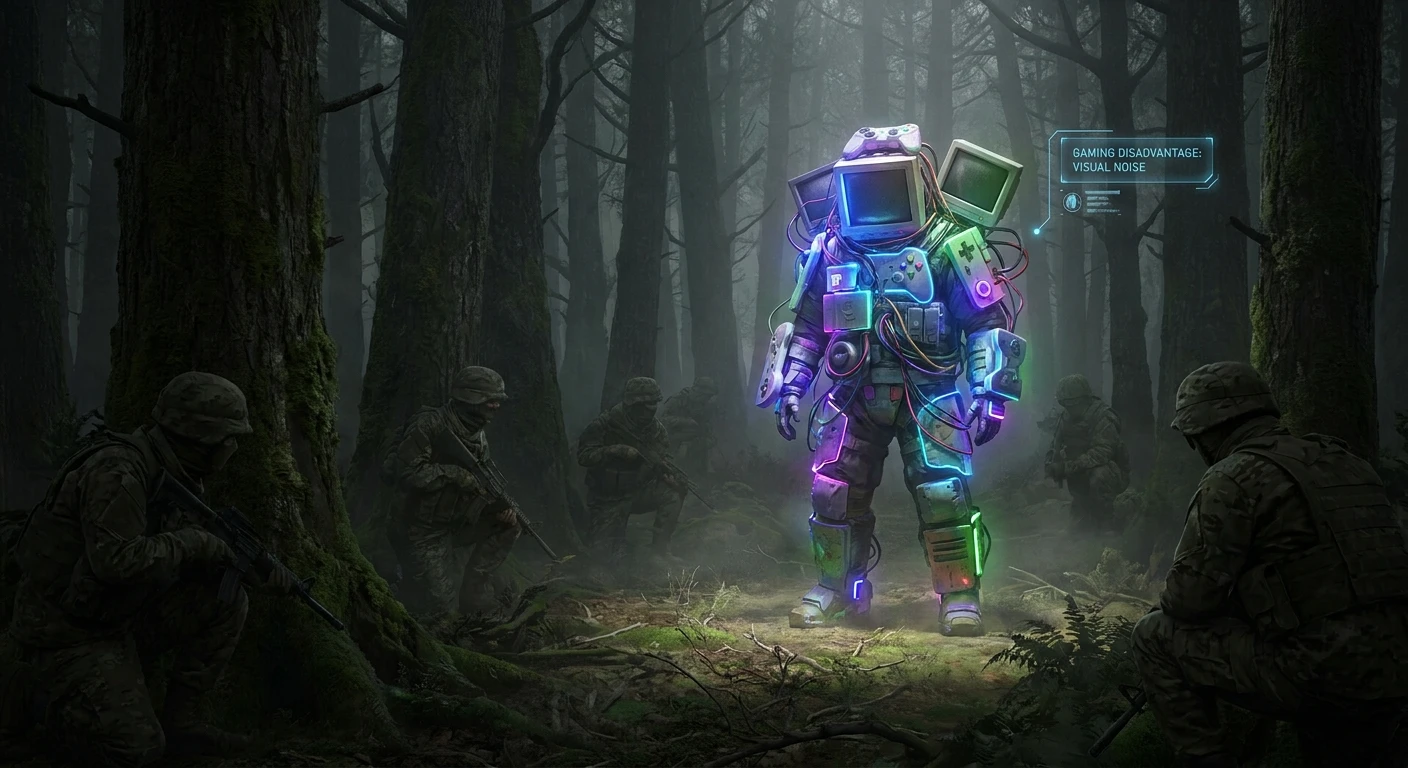
Why You Should Care About the worst fortnite skins
Let me tell you straight up, spending your hard-earned V-Bucks on the worst fortnite skins is a massive mistake you simply do not want to make. Getting the Victory Royale requires skill, decent ping, and strategic positioning. But if you are running around looking like a neon billboard, you are basically throwing the match away. I remember playing a crucial ranked match from my apartment in Kyiv. It was winter, the internet connection was finally stable after some grid fluctuations, and I was holding a fantastic high-ground position. Everything was going perfectly until a squad mate wearing an absurdly bulky, glowing outfit gave away our entire spot. We were instantly targeted from three different directions and sent back to the lobby. That specific moment taught me a hard lesson about cosmetic strategy.
Choosing your character design is about much more than just looking cool in the pre-game lobby. It fundamentally alters your visual footprint on the map. Bulky designs block your crosshairs when aiming down sights, bright colors act as a beacon for snipers hiding in bushes, and excessively loud reactive animations pull your focus away from critical audio cues. Your locker choices dictate your survival rate. If you insist on equipping massive, glowing, or poorly optimized outfits, you are actively handicapping your own gameplay. Let’s break down exactly why some outfits fail completely and how you can avoid making these terrible locker investments.
The Hidden Costs of Bad Cosmetics
So, what actually makes a cosmetic completely unplayable? You might think an outfit looks hilarious when you buy it, but humor fades fast when you are constantly getting eliminated early in the match. The core issues revolve around visual optimization, competitive disadvantages, and terrible value propositions.
First, let’s talk about the value proposition. When you spend 2,000 V-Bucks on a Legendary tier outfit, you expect premium quality. You want clean textures, a great back bling, and perhaps a sleek alternative style. But multiple outfits deliver none of this. Take the infamous Flytrap outfit. It launched at a premium price point with absolutely no back bling and a bizarre, spiky design that clashed with literally everything. Another prime example is Nightshade, which somehow managed to combine a bloated tomato head with a sleek jacket, resulting in an awkward visual mess that nobody wanted to use.
Here is a quick breakdown of some heavily criticized outfits and their specific flaws:
| Skin Name | Primary Flaw | Competitive Disadvantage |
|---|---|---|
| Peely (Original) | Massive head extension | Blocks your reticle when aiming and sticks out above cover. |
| Nightshade | Awkward color palette | Clashes with environment; easy to spot from maximum render distance. |
| Flytrap | Zero extra cosmetics | Overpriced and lacks any camouflage potential. |
The problems do not stop at aesthetics. Bad cosmetics ruin your gameplay experience for several key reasons. Keep these heavily limiting factors in mind:
- They waste your premium currency on items you will inevitably archive after two matches.
- They make you an easy, highly visible target for enemy snipers tracking movement across long distances.
- They completely ruin your squad’s aesthetic coordination and stealth strategies during high-stakes endgames.
- They often come with awkward physics capes or skirts that glitch through walls and reveal your exact location indoors.
The Early Origins of Clunky Designs
To fully grasp why these terrible cosmetics exist, we have to look back at the earliest days of the game. During Chapter 1, the developers were essentially throwing spaghetti at the wall to see what would stick. They were experimenting with goofy, oversized concepts because the meta was casual, and nobody took the game incredibly seriously yet. People built simple forts, and everyone loved the cartoonish vibe. Outfits like Crackshot set the stage with absolutely massive headpieces. While players found it charming initially, the competitive scene quickly realized that these giant heads were a massive liability when trying to peak over ramps.
The Evolution of Cosmetic Complexity
As the seasons progressed into Chapter 2 and Chapter 3, the design philosophy shifted heavily toward complex collaborations and highly reactive elements. The developers started adding characters that would glow, change colors, or sprout wings as you survived longer in the match. While technically impressive, this evolution led to a new era of flawed designs. Suddenly, you had outfits that would literally light up like a Christmas tree right as you were trying to hide in a shadow during the final circle. The visual clutter became overwhelming. The focus shifted away from clean, playable designs to maximizing flashy animations to drive item shop sales, often sacrificing actual playability.
The Modern State of the Item Shop
Now that we are pushing through 2026, the engine capabilities are absolutely insane. With Unreal Engine 5 rendering hyper-realistic lighting and shadows, the contrast between a terrible cosmetic and a great one is more punishing than ever before. Bad outfits stand out violently against the highly detailed grass, water, and brick textures. Despite years of player feedback, we still occasionally see massive, clunky outfits rotating into the daily shop. The community has become much smarter, often mocking these releases on social media, yet newer players still fall into the trap of buying them because of flashy shop thumbnails.
Hitbox Psychology and Visual Noise
If you want to play at your absolute best, you need to understand the underlying mechanics of visual noise and targeting psychology. Visual noise refers to unnecessary elements on your character model that distract your own eyes and the eyes of your opponents. Spikes, trailing visual effects, and wildly animated textures force the human brain to process extra information. When you wear a chaotic outfit, you make yourself the most interesting object on the screen, triggering an opponent’s instinct to shoot at you first. This is a well-documented phenomenon in competitive gaming known as target fixation. If you are glowing neon green in a dark gray concrete building, the enemy’s crosshairs will naturally gravitate toward your center of mass.
Rendering Metrics on Different Platforms
The situation gets even worse when you factor in hardware performance. Playing a heavily animated, overly complex character model actually impacts local rendering times on older hardware. Let’s look at some specific technical facts regarding these cosmetic choices:
- High-contrast outfits reflect virtual light sources exponentially more than matte or earth-toned textures.
- Cell-shaded anime characters lack traditional shadow rendering, meaning they literally glow in dark corners where normal characters would be completely hidden.
- Bulky characters take up a larger percentage of screen real estate, artificially reducing your peripheral vision by up to 15%.
- Physics-heavy elements like long capes or dangling chains require extra CPU calculations, occasionally leading to micro-stutters during intense close-quarters build fights.
Day 1: Audit Your Current Locker
Stop everything you are doing and open your locker menu. Sort your outfits by ‘Recent’ or ‘Most Played’ and take a harsh look at what you actually wear. You need to identify which items you bought purely for a joke and which ones you use when you genuinely want to win a match. Create a mental or physical list of the items you haven’t touched in over two seasons.
Day 2: Identify High-Visibility Outfits
Go through your favorites and look for the absolute worst offenders when it comes to visibility. Anything neon, excessively white, glowing, or cell-shaded needs to be flagged. You are essentially doing a threat assessment on your own wardrobe. If an outfit looks like it belongs on a retro disco floor rather than a tactical battlefield, it goes on the chopping block.
Day 3: Archive the Clunky Models
Take advantage of the game’s archive feature. Find the outfits with giant mascot heads, massive shoulder pads, or wings that cannot be unequipped. Move them straight to the archive. Out of sight, out of mind. Removing this clutter prevents you from accidentally equipping a disadvantageous outfit during a hurried pre-game lobby.
Day 4: Evaluate the Return on Investment
Look at your remaining items and evaluate their true worth. Do they come with universally matching back blings? Do they have clean, tight hitboxes? A good cosmetic should feel snappy and offer multiple edit styles. If you have expensive legendary items that offer zero versatility, acknowledge that they were a poor investment and vow not to repeat the mistake.
Day 5: Set Strict Purchase Rules
Establish a personal policy for future item shop rotations. Never buy a cosmetic on impulse. Wait at least 24 hours, check gameplay videos online to see how the outfit looks while aiming down sights, and ensure the color palette matches the current season’s map aesthetics. If it fails the aiming test, keep your V-Bucks securely in your wallet.
Day 6: Test Remaining Choices in Creative
Load into an empty Creative mode island with your narrowed-down selection. Run around, build a quick 1×1 box, and aim down the sights of a standard assault rifle. Watch how the character model reacts. Does the shoulder block your view? Does the harvesting tool make an obnoxiously loud deployment sound? Only keep the ones that feel completely seamless.
Day 7: Finalize Your Core Rotation
By the end of the week, you should have a preset list of 5 to 10 highly optimized, stealthy, and visually pleasing outfits. Set these as your random favorites. You will immediately notice a difference in your gameplay consistency. Your screen will feel less cluttered, and enemies will have a fraction of a second harder time acquiring you as a target.
Myths and Reality
There is a lot of misinformation floating around the community regarding cosmetic mechanics. Let’s clear up the confusion immediately so you can make informed decisions.
Myth: Bigger character models actually have larger hitboxes that make you easier to shoot.
Reality: Every single outfit shares the exact same invisible hitbox matrix. You will not take damage if a bullet grazes the tip of a giant banana suit’s head. However, the visual illusion makes enemies more confident in taking the shot.
Myth: The most expensive shop items offer the best competitive advantages.
Reality: Price has zero correlation with competitive viability. In fact, many 800 V-Buck uncommon outfits are heavily preferred by professional players because they are slim, dark, and highly tactical.
Myth: Camouflage and map blending do not work against skilled players.
Reality: Even professional players rely on peripheral vision. Wearing earth tones in a forested area absolutely delays enemy reaction times by crucial milliseconds, which is often the difference between winning and losing a shotgun duel.
Myth: Reactive elements make you play better because they hype you up.
Reality: Flashy animations distract your brain. Glowing after a kill only announces your exact coordinates to the inevitable third party waiting to ambush you.
Is Peely a bad skin?
Competitively speaking, yes. The top of the head heavily obscures your field of view when you are boxed up or aiming upward.
Can I refund these outfits?
You can only refund items if you have available Return Tickets and the purchase was made within the last 30 days. Otherwise, they are yours forever.
Do pros use bulky skins?
Almost never. Professional players strictly stick to slim female models or exceptionally streamlined male models to maximize their screen visibility.
What makes a skin competitive?
A competitive outfit features muted colors, a slim profile, minimal physics-based accessories, and absolutely zero glowing elements.
Are cell-shaded characters bad?
They are generally considered a disadvantage. The thick black outlines and lack of dynamic shadows make them highly visible in dark environments.
Should I buy meme outfits?
Only if you are strictly playing casual squad games for laughs. If you care about your ranking or win rate, save your currency.
How do I hide glowing parts?
Some outfits offer edit styles in the locker to turn off reactivity or glowing lights. Always check the edit style menu to optimize your gear.
Will developers ever fix the giant hitboxes?
The hitboxes are already normalized. Developers occasionally tweak camera angles for massive characters, but the visual bulk will always remain an issue by design.
Final Thoughts on Cosmetic Strategy
Curating your locker is an active part of your overall gaming strategy. By identifying and avoiding the worst fortnite skins, you instantly stop handicapping your own matches. You save premium currency, improve your tactical positioning, and keep your screen free of unnecessary visual garbage. Stop falling for flashy item shop marketing and start treating your cosmetic choices like tactical loadouts. Check your locker today, archive the disasters, and load into your next match with a clean, competitive advantage!





Leave a Reply