
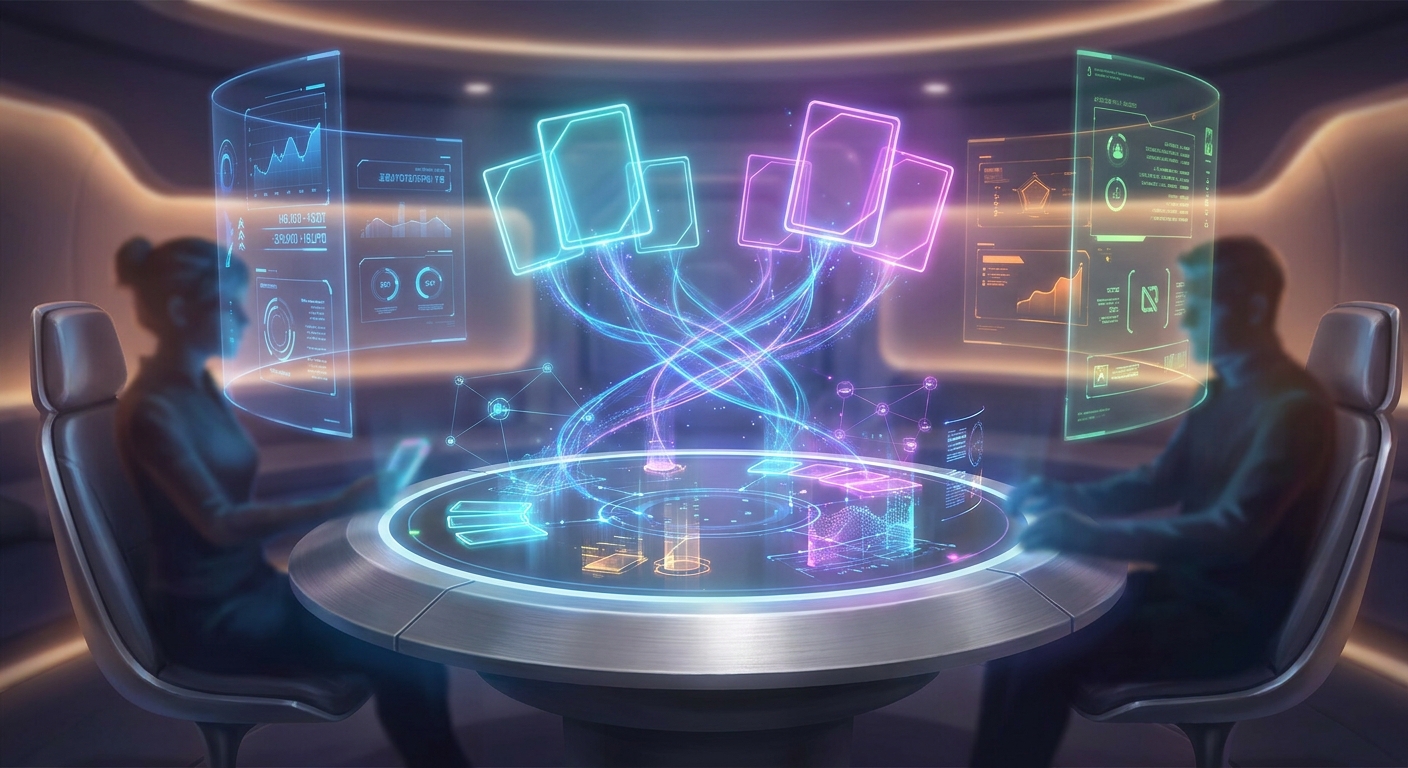
Mastering the cyberpunk tcg Universe
If you want to dominate the digital sprawl, mastering a cyberpunk tcg is your absolute best ticket out of the neon-lit gutters. Look, we all know the feeling of booting up a fresh card game, seeing the sprawling tech trees, the flashing neon UI, and feeling completely lost. But getting a grip on these virtual decks is exactly how you turn from a street-level rookie into a top-tier server runner. The entire goal here is to break down exactly how to construct a winning deck, manage your economy, and outplay your opponents in this high-stakes digital card arena without losing your mind.
I still remember sitting in a basement cafe in Kyiv a couple of years back. The power grid was down, generators were humming loudly outside, and the only light in the room came from a few glowing tablets. We were huddled around, playing local client matches, draining our power banks just to finish a tournament bracket. It felt like we were living the actual aesthetic of the games we were playing. Fast forward to 2026, and the connection stability is flawless, but the thrill of perfectly executing a combo against a smug mega-corp player hasn’t changed one bit. Let me tell you exactly how to get that feeling.
Core Mechanics: Breaking Down the Grid
To really get good, you need to understand that this isn’t just about throwing high-stat cards onto the board. It is all about resource management, tempo, and knowing when to risk your credits. Most games in this genre rely on an asymmetrical balance. You either play as a massive corporate entity building defensive walls, or you play as a solo runner trying to crack those servers before the corp scores their agendas. The beauty of it lies in the bluffing. You never quite know if that facedown card is a harmless trap or a massive piece of defensive software ready to fry your rig.
| Faction Archetype | Primary Playstyle | Skill Floor & Difficulty |
|---|---|---|
| Neon Runners | Aggressive Hacking & Event Spam | Medium – Requires good math skills |
| Global MegaCorps | Control, Taxation & Defensive Traps | Hard – Demands psychological play |
| Street Mercs | Midrange Brawlers & Hardware Buffs | Easy – Great for learning the ropes |
The value proposition of dedicating time to a game like this is massive. First, the mental stimulation is unmatched; it is literally chess with hidden information. Second, the competitive scene is thriving. I have friends making solid side-income just from weekend rookie tournaments. If you want to start seeing those benefits, you need a solid foundation.
Here are the absolute core steps to establish your board presence:
- Establish a Credit Drip: Always prioritize cards that give you recurring income over early aggressive plays. You cannot hack a server if you are broke.
- Identify Defensive Layers: Do not just run face-first into unrevealed cards. Send cheap, disposable programs to test the waters and force the opponent to spend money revealing their defenses.
- Capitalize on Tempo Swings: When your opponent taps out of credits to install a massive piece of hardware, that is your window. Strike their unprotected assets immediately.
The Origins of the Digital Board
People think the neon card game craze started a couple of years ago, but the roots go way back to the physical card games of the late 90s. Back then, designers were trying to figure out how to replicate the feeling of hacking into a mainframe using nothing but cardboard and tokens. It was clunky, sure, but the underlying mechanics of hidden information and asymmetrical gameplay were born there. Players loved the thematic difference between the factions, creating a cult following that survived for decades in hobby shops.
Evolution of Card Mechanics
As we moved into the 2010s, digital clients began to take over. Developers realized that the computer could handle the tedious math, the token tracking, and the complex trigger resolutions. This allowed for much crazier card designs. Suddenly, we had cards that could interact with the opponent’s discard pile in real-time, or generate random algorithms that physical dice just could not replicate smoothly. The introduction of virtual economies meant that a player’s deck could dynamically change mid-match based on the digital resources they accrued.
The Modern State of the Grid
Right now, in 2026, the genre has hit a wildly polished state. We are looking at fully animated holographic overlays, clients that integrate flawlessly across PC and mobile, and a global matchmaking system that pairs you with similarly skilled opponents in milliseconds. The meta shifts almost weekly, keeping the community entirely engaged. You are no longer just playing a game; you are participating in a massive, living, breathing digital economy where every card drawn feels impactful.
RNG Mitigation Algorithms
Let me get a bit nerdy for a second. Whenever you draw a card, you are at the mercy of the server’s Random Number Generator (RNG). But modern games use highly sophisticated Pseudo-Random Number Generators (PRNG) combined with specific shuffling algorithms to prevent “mana flood” or “mana screw.” Essentially, the game tracks your draw history. If you pull three high-cost hardware cards in a row, the algorithm subtly adjusts the probability weights to ensure your next draw is more likely to be an early-game resource. This keeps matches competitive and reduces the frustration of purely awful luck.
Cognitive Load and Decision Trees
The reason these games feel so exhausting after a three-hour session is cognitive load. Every single turn presents a branching decision tree. Do I spend credits to draw? Do I initiate a run? Do I install a program? The human brain can only hold so many variables in its short-term memory. Top players train themselves to chunk information, recognizing entire board states as single patterns rather than calculating every individual card.
- Server Tick Rates: Modern clients operate at 60+ ticks per second, meaning priority passes between players instantly without network lag disrupting the bluffing phase.
- Matchmaking MMR Vectors: The system evaluates not just your win rate, but your deck’s archetype, ensuring you don’t face the exact same counter-deck five times in a row.
- Neural Network Opponents: AI bots are trained using billions of actual player matches, making offline practice incredibly close to facing a real human.
- Serialized Card Data: Every digital card has a unique backend identifier, ensuring instant database retrieval and absolute zero chance of duplication glitches.
Day 1: Learn the Basic Keywords
Look, do not even try to play a match yet. Spend your first day just reading the glossary. Understand the difference between “Trash,” “Exile,” “Install,” and “Rez.” Knowing the vocabulary is half the battle. If you do not know what a keyword means, you will miscalculate a run and lose your entire rig to a basic trap.
Day 2: Build a Starter Aggro Deck
Grab a pre-built beginner deck, specifically an aggressive one. Aggro decks have straightforward win conditions: hit fast and hit hard. You want a deck that generates early credits and relies on cheap, disposable breakers. This teaches you the flow of the game without overwhelming you with late-game combo math.
Day 3: Master the Economy
Take your starter deck into practice mode and focus entirely on your money. Try to end every single turn with at least three credits in your pool. The biggest rookie mistake is spending down to zero. A player with zero credits cannot trigger any reactions, meaning you are completely defenseless against the opponent’s next move.
Day 4: Understand ICE and Breakers
Now, focus on the interaction between defenses (ICE) and your hacking tools (Breakers). Learn the math of matching breaker strength to ICE strength. Memorize the most common defensive cards in the current meta so you can predict what facedown card your opponent just installed based on its cost.
Day 5: Play Unranked Matches
Take off the training wheels. Queue up for unranked matches against real humans. You are going to lose, and that is completely fine. Focus on executing your game plan rather than just reacting to what the opponent does. Notice how real players bluff and delay their actions to confuse you.
Day 6: Analyze Your Replays
Every modern client lets you watch your past matches. Spend Day 6 watching your losses. Look at the exact turn where the game slipped away. Did you run into a trap when you should have spent the turn gaining credits? Did you ignore a server that was clearly building up a massive agenda? Pinpoint the mistakes.
Day 7: Enter a Rookie Tournament
Jump into a low-stakes weekend automated tournament. The environment is different; players are more cautious, and the tension is higher. Playing in a bracket forces you to adapt between rounds. Win or lose, completing a tournament solidifies everything you have learned over the week.
Myths & Reality: Clearing the Noise
Myth: It is completely pay-to-win and you need to drop hundreds of dollars to compete.
Reality: While having a full collection is nice, the most competitive formats include draft modes or strictly budget formats. Many top-tier aggro decks use mostly common and rare cards.
Myth: You need a genius-level IQ to memorize all the interactions.
Reality: It is just basic arithmetic and pattern recognition. Play consistently for a week, and the “complex” interactions will become complete second nature.
Myth: The meta gets stale and boring after a few weeks.
Reality: With digital clients, developers push balance patches and minor card adjustments almost monthly. A card that dominated yesterday might be completely balanced tomorrow.
Myth: Playing the corporate side is boring and passive.
Reality: Playing corp is essentially laying out a psychological minefield. Luring a runner into a devastating trap is one of the most aggressive and satisfying feelings in the game.
Is this game free to play?
Yes, the vast majority of clients offer a generous free-to-play model. You can earn the premium currency just by completing daily challenges and winning matches.
What is the best starting faction?
Always start with the Street Mercs or equivalent midrange faction. They rely on straightforward hardware buffs and simple economy generation, letting you focus on the board state.
How long do matches typically take?
A standard match takes anywhere from 10 to 20 minutes. Control matchups can drag out to 30 minutes, but aggro vs. aggro can be over in 5.
Can I trade cards with my friends?
Most modern digital card games have removed direct player trading to combat black markets. Instead, they use a crafting system where you break down unwanted cards to create specific ones you need.
What happens when a new set drops?
The meta goes into complete chaos for about two weeks. It is the best time to play because no one has optimized the perfect deck yet. Experimentation is highly rewarded.
Do I need a high-end PC to run these clients?
Not at all. The graphical requirements are incredibly low. You can run most of these games smoothly on an average smartphone or a five-year-old laptop without any frame drops.
Are there physical tournaments anymore?
Yes! While digital is king, physical “print and play” tournaments still happen at major gaming conventions, bringing back that classic tabletop social vibe.
So, there you have it. You now have a complete roadmap to navigate the complex, thrilling world of neon and data. Building your first deck might feel intimidating, but once you pull off that perfect mid-game hack and watch the opponent’s defenses crumble, you will be hooked. Grab your starter cards, log into the grid, and start claiming your victories today!



Leave a Reply